

This article credited from the Philippine Online Chronicles
Monday, 18 February 2013 12:58 Noemi Lardizabal-Dado
Monday, 18 February 2013 12:58 Noemi Lardizabal-Dado


To erase allegations that some senatorial candidates are using Priority Development Assistance Fund (PDAF) or Pork Barrel for the campaign. Beljica is calling them out “to declare on line and in public where they are getting their campaign funds from. It is illegal and immoral to use their PDAF. “
Indeed, PDAF is Taxpayers’ money which should not be used for campaigning and personal use.
Beljica adds that “if they are not using the PDAF, and if it is coming from donors, then our challenge is to come out to the open and be transparent about our donors. We are challenging all senatoriables to reveal to the public who their donors are so people will know who is behind the candidates and who they will be supporting or protecting when and if we win.”
Public disclosure
 COMELEC Chairman Sixto S. Brillantes announced
“that the 2013 elections would be the first in which the Commission
would be seriously looking into the issue of campaign finance.” Even
with the commitment of COMELC and the new Campaign Finance Rules
, “educating candidates, political parties, and service providers, as
well as election watchdogs and the media on its new campaign finance
policy” can be a challenge.
COMELEC Chairman Sixto S. Brillantes announced
“that the 2013 elections would be the first in which the Commission
would be seriously looking into the issue of campaign finance.” Even
with the commitment of COMELC and the new Campaign Finance Rules
, “educating candidates, political parties, and service providers, as
well as election watchdogs and the media on its new campaign finance
policy” can be a challenge.
Disclosure is a way to keep political campaigns clean. It can prevent corruption and the appearance of corruption. That is why we have campaign finance laws. The way campaigns are financed and “what candidates and political parties do with donations, can be the source of many integrity problems.”
Most of all, public disclosure is needed so the “voter will know who is financially backing a candidate and whether this might influence future decisions once in office.” According to Michael Pinto-Duschinsky, 'corruption and abuses related to the financing of elections and political parties are among the most common dangers confronting democracies today.
Everyone needs to do their share in this electoral process. The electorate can call out our candidates. The candidates can choose to be transparent without much prodding.
Candidates, political parties, and party-list groups should:
Stock photos from Blog Watch. Some rights reserved.
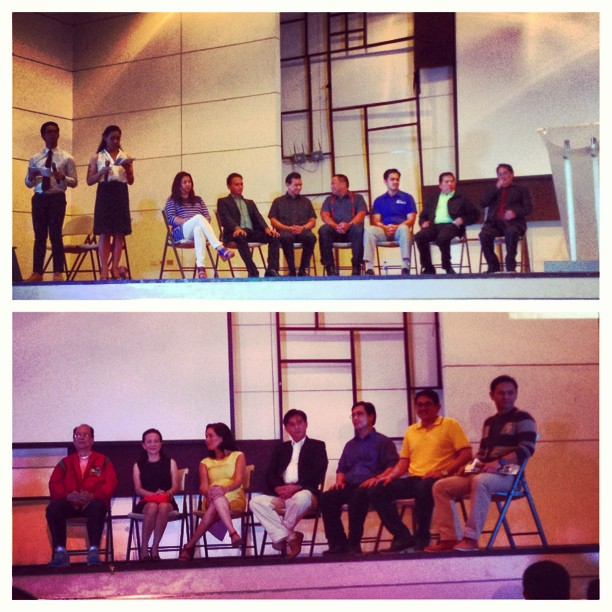 COMELEC Chairman Sixto S. Brillantes announced
“that the 2013 elections would be the first in which the Commission
would be seriously looking into the issue of campaign finance.” Even
with the commitment of COMELC and the new Campaign Finance Rules
, “educating candidates, political parties, and service providers, as
well as election watchdogs and the media on its new campaign finance
policy” can be a challenge.
COMELEC Chairman Sixto S. Brillantes announced
“that the 2013 elections would be the first in which the Commission
would be seriously looking into the issue of campaign finance.” Even
with the commitment of COMELC and the new Campaign Finance Rules
, “educating candidates, political parties, and service providers, as
well as election watchdogs and the media on its new campaign finance
policy” can be a challenge.Disclosure is a way to keep political campaigns clean. It can prevent corruption and the appearance of corruption. That is why we have campaign finance laws. The way campaigns are financed and “what candidates and political parties do with donations, can be the source of many integrity problems.”
Most of all, public disclosure is needed so the “voter will know who is financially backing a candidate and whether this might influence future decisions once in office.” According to Michael Pinto-Duschinsky, 'corruption and abuses related to the financing of elections and political parties are among the most common dangers confronting democracies today.
Everyone needs to do their share in this electoral process. The electorate can call out our candidates. The candidates can choose to be transparent without much prodding.
Candidates, political parties, and party-list groups should:
1. Disclose pre-campaign expenses and source of funds,
2. Not to use PDAF for campaign use.
3. File three copies of a "full, true, and itemized" statement of campaign contributions and expenditures (SOCE) within 30 days after election day.
Let’s do our part. Read up on Campaign Finance Laws. Be vigilant. Report, if there is evidence, on violation of the Election Finance laws.Stock photos from Blog Watch. Some rights reserved.

this is a good practice before elections. people should be aware of the person they are voting from. you can check http://www.rappler.com/
TumugonBurahin